

Caring for someone with a learning disability can be rewarding, but there may also be times when you need extra support. The Community Learning Disability Team (CLDT) works with adults with learning disabilities, their families, carers and support staff to promote good health, wellbeing and independence.
Our aim is to help people with learning disabilities live healthy, fulfilling lives and to make sure they can access the right support when they need it. We understand that every person is different, so we take time to get to know the individual and the people who support them.
The team provides specialist support for a wide range of needs, including:
- physical health needs where acute/primary care may require support or joint working
- emotional wellbeing and mental health
- communication
- mobility and physical movement
- eating, drinking and swallowing difficulties
- daily living skills and independence
- sensory needs
- complex health needs
- crisis situations and intensive support
We work closely with families, carers, GPs, hospitals, social care services and other professionals to ensure support is coordinated and centred around the person’s needs.
Our service brings together a range of specialist professionals who work together to provide the right support for those who cannot access mainstream services with reasonable adjustments.
- Learning Disability Nurses support people with a Learning Disability with their physical and emotional health and help families and carers understand and manage health needs. Easy read leaflet
- Occupational Therapists (OT) help people with a Learning Disability develop skills for everyday living, improve independence and find practical solutions to difficulties at home or in the community. Easy read leaflet
- Physiotherapists support people with a Learning Disability with movement, balance, mobility, posture and physical rehabilitation following illness, injury or surgery. Easy read leaflet
- Speech and Language Therapists (SaLT) help people with a Learning Disability communicate effectively and can assess and support eating, drinking and swallowing difficulties. Easy read leaflet
- Clinical Psychologists help people with a Learning Disability understand and manage difficult emotions, experiences or behaviours that may affect their wellbeing and quality of life. They also support families and staff teams. Easy read leaflet
- Psychiatrists are specialist doctors who assess and treat mental health conditions and can also support people with a Learning Disability with their ADHD, autism or epilepsy. Easy read leaflet
Eligibility
This service is for:
- adults aged 18 and over with a diagnosed learning disability
- young people aged 17 years and 9 months with a learning disability who are being supported to move from CAMHS to adult services
And who also:
- have a health need that meets the service’s criteria for assessment, treatment or support that cannot be met by GP or other mainstream services alone
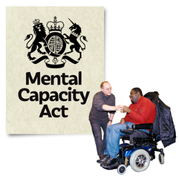
- have agreed to the referral, or if they cannot make this decision themselves, a best interests decision has been made that takes their wishes into account
What do we mean by a learning disability?
According to NICE, a learning disability has three main features:
- lower intellectual ability (usually an IQ below 70)
- significant difficulties with everyday living and social skills
- these difficulties started during childhood
Who cannot use this service?
This service is not for:
- people whose only diagnosis is autism and who do not have a learning disability
- people with a learning disability whose needs can be met by GP services or other mainstream health services with reasonable adjustments.
To start a referral you can:
- Speak to your GP
- Speak to any other healthcare professional involved in your care
- Speak to your social worker
- Carers can also refer directly into our service by filling out our referral form.
When someone is referred to our service, we will first screen the referral to assess eligibility for the service. Common issues that we support with include: new onset of behaviours that challenge, changes in mobility, difficulty with communication and eating, drinking and swallowing difficulties (dysphagia).
Once the referral is accepted we will take time to understand the person’s needs, strengths and circumstances. We know that parents/relatives and carers often have valuable knowledge and experience, so we want to hear from all those who offer support.
We will:
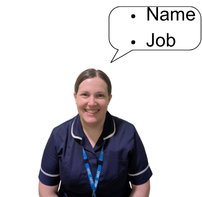
- introduce ourselves and explain our role
- listen to any concerns you may have
- learn about the person’s health, wellbeing and daily life
- find the best ways to communicate with the person with a Learning Disability
- involve the person with a Learning Disability in decision making as much as possible
- work with you to identify the support that may help
We want people to feel comfortable speaking with us and asking questions. Appointments are designed to give enough time to understand what matters most to the person with a Learning Disability and those who support them.
Families and carers play an important role in supporting people with learning disabilities. We recognise your knowledge, commitment and expertise.
We will:
- treat you with respect
- listen to your concerns and observations
- work in partnership with you
- provide information, advice and signpost support where appropriate
- help you understand recommendations and support plans
- involve you in discussions about care, where the person agrees or it is appropriate to do so
Our goal is not only to assist the individual but also to help those around them feel informed and supported.
Sometimes people with a Learning Disability experience difficulties that put them at risk of harm, losing their home, or being admitted to hospital.
Our Crisis Response Intensive Support Team (CRIST) provides specialist support during these times. The team’s aim is to help people stay safe and continue living in their community whenever possible.
Our Forensic Learning Disability Team works with people with a Learning Disability whose behaviour may place them at risk of arrest, court involvement or imprisonment. The team can also support people with a Learning Disability returning to community life after hospital or prison and help reduce the risk of future difficulties. Leaflet for referrers, family and carers
Everyone has the right to be involved in decisions about their own care and treatment. We will communicate in ways that meet the person’s needs and provide information in a format they can understand.
Before any decisions are made, we will check that the person understands the information they have been given. When additional support is needed, we will work with carers, family members and others who know the person well.
Contact us
We want it to be easy to contact us if you need information or support. If you leave a message, we will aim to respond as soon as possible.
If we are unable to provide the support you are looking for, we will try to direct you to another service that can help.
Learning Disability Access Team
Telephone: 0116 295 4528
Address: Learning Disability Access Team,138 Winstanley Drive,Leicester,LE3 1PB
Email: lpt.ldaccess@nhs.net
Website: https://www.leicspart.nhs.uk/service/community-learning-disability-service/
Our commitment is simple: to work alongside people with learning disabilities, their families and carers to support good health, wellbeing, independence and to have the best possible quality of life.