

Healthy relationships should meet the needs of everyone involved.
Relationships are not about one person changing who they are to fit somebody else’s expectations.
Good relationships involve compromise, flexibility and understanding. However, they should also allow people to be themselves and have their needs respected.
The goal is not to make everyone the same. The goal is to build relationships where everybody matters.
For more information on making and keeping friends and being sure about how to trust another person, click the following links:
How to make and keep friends- advice for autistic people
How to recognise friends with genuine intentions- advice for autistic people
Click here for more articles about autism and communication.
What autistic people can do
Understand your own needs
Knowing your own needs can help you build relationships that work for you.
Everyone has different social preferences.
It can help to think about:
- how much social contact you enjoy
- whether you prefer one-to-one conversations or groups
- how much recovery time you need after social activities
- which environments feel comfortable
- what qualities you value in friends or partners
For example, Sam enjoys spending time with friends but usually needs quiet time afterwards. Understanding this helps him plan social activities in a way that works for him.
Some autistic people experience alexithymia. This means they may need more time to understand how they feel, find it difficult to identify or describe emotions, or sometimes be unsure what they are feeling at all.
Understanding this about yourself can make it easier to communicate your needs and seek support when needed.
For example, Priya often knows that something does not feel right but is not always sure whether she is anxious, frustrated or overwhelmed. Understanding that she experiences alexithymia helps her recognise when she may need extra time to work out how she is feeling or talk things through with someone she trusts.
Shared interests often create natural opportunities for connection.
Many autistic people develop friendships and relationships through hobbies, interests and activities.
Shared interests can provide:
- enjoyable activities
- easier conversations
- common ground
- opportunities to meet like-minded people
For example, Leila struggled with social situations at work but found it much easier to connect with people through a local photography group.
Relationships built around shared interests often feel more comfortable and longer lasting.
Relationships are often strongest when people can be authentic.
Many autistic people spend a lot of energy trying to fit in or hide their differences.
Healthy relationships should not depend on constantly hiding who you are.
Being yourself might mean:
- stimming when you need to
- talking about interests you genuinely enjoy
- being honest about sensory needs
- asking for adjustments that help you
- spending time with people who accept you as you are
A relationship where you can relax and be yourself is usually healthier than one based on pretending.
People cannot always understand your needs unless you tell them.
It may help to explain:
- communication preferences and abilities
- sensory needs
- boundaries
- preferred ways of socialising
- if you need extra time to understand or talk about emotions
For example, Maya tells her friends that delayed replies do not mean she is upset or uninterested. She also explains that she may not always know how she is feeling straight away and sometimes needs time or support to work it out. This helps prevent misunderstandings and makes it easier for her friends to support her.
Healthy relationships do not need people to be the same.
People can have different interests, opinions and ways of doing things while still having strong relationships.
Recognising that both people’s needs and preferences matter, helps relationships grow.
You should not have to ignore your own needs to keep a relationship.
Some autistic people agree to things that make them uncomfortable because they fear criticism, conflict or rejection.
Healthy relationships allow people to:
- say no
- express preferences
- disagree respectfully
- ask for support
- set boundaries
Compromise is healthy. Constantly putting other people’s needs before your own is not.
Strong emotions are understandable, but everyone remains responsible for their behaviour.
Many autistic and neurodivergent people are sensitive to criticism or rejection.
If criticism feels difficult, it may help to:
- pause before reacting
- ask questions if something is unclear
- consider whether feedback was meant to help
- remember that disagreement does not always mean rejection
Feeling upset, hurt or overwhelmed does not make it acceptable to:
- shout at people
- insult people
- intimidate people
- repeatedly blame others
- punish people with prolonged silence
- behave in emotionally or physically abusive ways
Value autistic differences
Autistic differences are not flaws that need fixing.
Many autistic traits can bring strengths to relationships, including:
- honesty
- loyalty
- attention to detail
- reliability
- direct communication
- deep interests and knowledge
Approaching differences with curiosity and respect usually works better than expecting everyone to behave in the same way.
People often build stronger relationships when they feel safe to be themselves.
Many autistic people have spent years feeling misunderstood, criticised or pressured to fit in.
Acceptance might include:
- accepting stimming
- respecting sensory needs
- showing interest in someone’s hobbies and interests
- understanding the need for time alone
- accepting different communication styles
- recognising that socialising can be tiring
For example, Ahmed’s friends understand that he sometimes leaves social events early when he becomes overwhelmed. They do not take this personally, which helps him feel accepted.
Clear communication can prevent many misunderstandings.
Many autistic people find direct communication easier than hints or implied meanings.
It can help to:
- say what you mean
- explain expectations clearly
- avoid relying on subtle hints
- check understanding when something is important
For example, saying “Can we meet at 2pm on Saturday?” is often clearer than “We should meet up sometime.”
Different people enjoy different activities and environments.
Many autistic people know what works best for them.
It can help to:
- consider sensory needs when making plans
- offer different options
- respect requests for breaks
- understand that not everyone enjoys the same activities
Supporting someone’s needs is more helpful than expecting them to tolerate unnecessary discomfort.
Some autistic people need extra time to think about information, conversations or emotions. Some may also find it easier to understand their emotions when another person helps them think things through
It can help to:
- allow pauses
- avoid rushing for answers
- give people time to think
- provide important information in writing when helpful
- ask supportive questions, when appropriate
Giving somebody time and support to process information can improve understanding and reduce stress.
There is no single “right” way to communicate.
People communicate in different ways.
Some use speech. Some prefer writing. Some use communication aids. Others use a combination of methods.
The goal is understanding each other, not communicating in a particular way.
A person’s behaviour does not always tell you how much they value a relationship.
An autistic person may:
- forget to reply
- struggle to start conversations
- appear quiet in groups
- need time alone after social events
These behaviours do not automatically mean they dislike you or do not care about the relationship.
Past experiences can make criticism feel especially painful.
Many autistic and neurodivergent people have experienced:
- bullying
- exclusion
- rejection
- repeated misunderstandings
Some people become highly sensitive to signs of criticism because of these experiences.
When giving feedback, it can help to:
- be clear
- be kind
- explain your intentions
- recognise strengths as well as difficulties
- avoid sarcasm or vague criticism
Constructive, sensitive feedback is important – and thoughtful communication can reduce unnecessary distress.
Past experiences often shape how people approach relationships.
For example, somebody who has experienced bullying may find it difficult to trust new people. Someone who has repeatedly felt misunderstood may become cautious about sharing personal information.
Patience, consistency and acceptance can help people feel safe and valued.
People should have a say in decisions that affect their lives.
Whether somebody is a child, young person or adult, they should be involved in decisions about friendships, relationships and social activities wherever possible.
Support should focus on helping people make informed choices rather than pushing them towards a particular way of socialising.
Autistic people should not carry all the responsibility for making relationships work.
Positive relationships develop when everybody makes an effort to understand each other, communicate openly and respect differences.
Strong relationships often include:
- trust
- honesty
- acceptance
- understanding
- respect
- shared enjoyment
The best relationships are built on mutual understanding, not one person constantly adapting to the other.
Key points
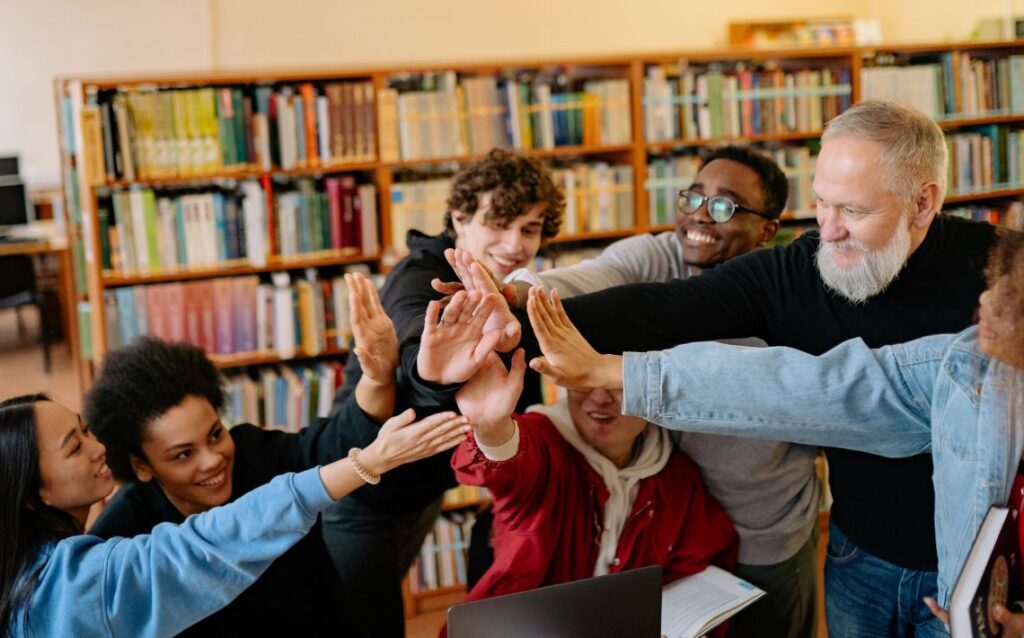
- Healthy relationships should meet the needs of everyone involved
- Autistic people do not need to hide who they are to build meaningful relationships
- Understanding your own needs can help you build relationships that suit you
- Shared interests often provide a natural way to develop friendships and relationships
- Clear communication can reduce misunderstandings
- People pleasing is different from healthy compromise
- Healthy relationships allow people to set boundaries and express their needs
- Strong emotions are understandable, but everyone remains responsible for their behaviour
- Autistic differences can bring strengths to relationships
- Acceptance, respect and direct communication can help autistic people feel valued
- Past experiences may affect how people approach relationships
- Positive relationships are built through mutual understanding rather than one-sided adaptation