Many autistic people grow up learning, often without realising it, that they may be judged, misunderstood or treated differently when they behave in ways that feel natural to them. As a result, some develop masking strategies to blend in, avoid unwanted attention or manage social expectations. Although masking can help people cope in certain situations, it often requires a great deal of effort and can leave someone feeling exhausted, stressed or disconnected from their authentic self.
This article explains what masking is, why autistic people may mask, and the impact it can have on wellbeing, identity and relationships. It also explores the difference between masking and unmasking, the potential benefits and challenges of both, and how family members, friends, schools, workplaces and wider communities can create safer, more accepting environments where autistic people feel able to be themselves.
Due to this, autistic people can feel on high alert – anxious and keen to avoid further micro-traumas.
Many autistic individuals (even young children) can be aware that others sometimes judge people negatively, for any behaviours that are not the norm.
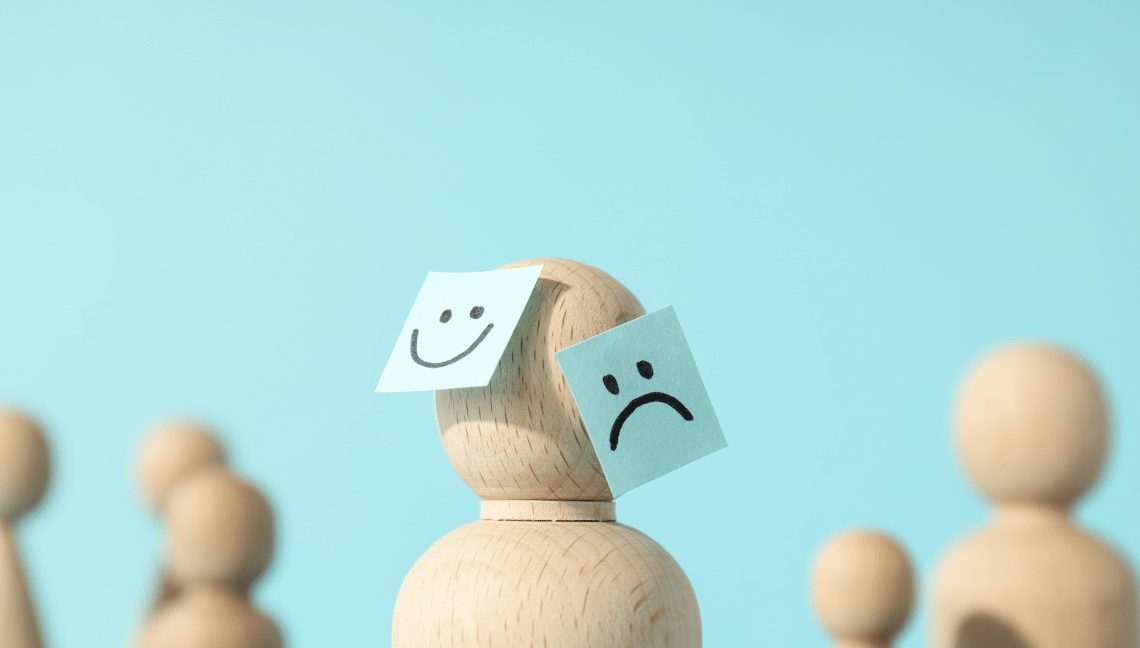
Masking is where autistic people try to hide their differences, suppressing or concealing autistic behaviours to appear neurotypical.
Click here to view a transcript of this video
Many autistic people do this in attempt to hide their true thoughts, feelings, and behaviours from others – to try and protect themselves from further stress.
Whilst masking can be a coping mechanism to make an autistic person appear like they are not struggling, they may in fact be finding things difficult.
Often autistic people who mask have been doing this since they were so young, they are not aware they are doing it.
Many late diagnosed autistic people can find it very challenging to realise that they may have been masking for their whole lives. Some people may even come to realise that they have been hiding their true authentic autistic selves from their closest family and friends.
Purple Ella has a number of videos on autistic masking on their YouTube channel. Here’s a link to one of them where they talk about autistic women and girls and masking :
Please be aware that this video was not created by Inclusive Space and may contain adverts.
One of the most commonly defining features of autism is a preference and need for authenticity and honesty – for straight talking and for having a strong moral compass. So, many autistic people can feel a sense of shame about their masking behaviours – which could potentially be seen as being deceitful to oneself. This can lead to low self-esteem.
Whether doing it consciously or subconsciously, masking is almost always energy consuming and stressful – that comes at a cost – not least of which can be extreme tiredness. And, not to mention that others can be given a false sense that the autistic person is doing fine and is not under stress or in need of support. Therefore, increasing the chance of mental health difficulties (including increased suicidality and/or self-harm) through isolation and/or feeling disconnected from other people.
What then tends to happen is once the autistic person gets to a place where they feel safe or amongst people, they feel best understand them – they can let their emotions out, this is commonly known as the ‘coke bottle effect’ or an explosion of emotion.
For many autistic people, this may result in a ‘meltdown’ (where they may lose control of their emotions and maybe vocalise or lash out at things, other people, or themselves) or completely shut down. For others they may go into mental and physical exhaustion (which can lead to autistic burnout) whereby they may retreat into their own minds and struggle to communicate or interact with others. This may also include the usual things they love to do – or need to do (e.g. eating, drinking, washing)
People around an autistic person may never know if it is masking unless they feel they could ask – and even then, the autistic person may not be aware or decide to disclose. It’s likely that an autistic person could only share about masking if they were in a trusted situation and knew that they did mask.
Unfortunately, continual masking can lead to difficulties such as loss of identity and autonomy anxiety, depression, suicidal thoughts.
Once an autistic person comes to realise, they have been masking – and begins to understand the cost this entails to themself, they may then begin to work on how they could unmask.
Whilst unmasking may be liberating for some, it can also be a very difficult habit to break. It may also feel quite uncomfortable to unmask, knowing that other people may pass judgement – and that this may not always be positive or supportive.
Sadly, it is true to that sometimes an autistic person simply behaving in a way that is true to their true autistic self, can leave them vulnerable to being taken advantage of, discriminated against, harassed, exploited, manipulated, or even abused by others.
For this reason, many autistic people find it helpful to try and weigh up the pros and cons of masking vs unmasking in different situations – and may feel safer to mask in certain situations or when with certain people. Therefore, autistic people may need to find coping strategies to manage the consequences of masking.
If you have an autistic loved one or friend, what can really help is to find out as much as you can about autism and how this might affect their thinking and behaviours. Let them know that they are safe to be their true autistic self when they are with you – but you will really need to mean this very genuinely – and not.
If you are an autistic person who has been masking – consider how you could take steps to try and unmask in a way that feels safe to you. This may at first be when you are alone – leading to confiding in trusted friends or family. Unmasking can take time and it’s important to go at a pace that feels safe for you.
Education and employment are primary places an autistic person needs to feel supported so they can thrive. Therefore, it is important that these environments create a supportive and enabling setting so young people and employees can thrive and feel able to be their true authentic self, without needing to mask.
If you’re autistic and find that you’re completely exhausted because you have chosen to mask at work or school, or you may have been masking during the day perhaps without even knowing it.
- Make sure you allow yourself time to recover if you feel exhausted or burnt out
- Spend time with other autistic people to help you understand your masking and share your experiences of unmasking
- If you feel able, talk to those around you so they can understand how you are affected by autism and how and why you need to mask. Self-expression is hard, but the effort is worth it.
- Consider spending time on interests and hyper-focuses. Learning how to let yourself take true pleasure in these activities is a fantastic way to learn about your true self. Joy and passion can provide a great deal of healing, so it’s important you don’t deny yourself this chance to grow and recover.
Masking is conscious or unconscious behaviour where an autistic person adapts their behaviour to ‘fit in’ with other people. This can help avoid unwanted attention and help them to feel safer. It can include suppressing their emotions, needs and non-verbal behaviours in an unnatural way. This can lead to problems with mental health including meltdowns/shutdowns or burnout.
What can you do to support:
- educate ourselves to understand the challenges that autistic people face – and why they may try to conceal this.
- break stigma and negative stereotypes about autism
- foster a culture of acceptance by not only celebrating the strengths of autistic people but also normalising any type of autistic behaviour
Understanding masking and taking steps to support autistic people to unmask safely will help them to thrive and live happy fulfilling lives.
Key Points
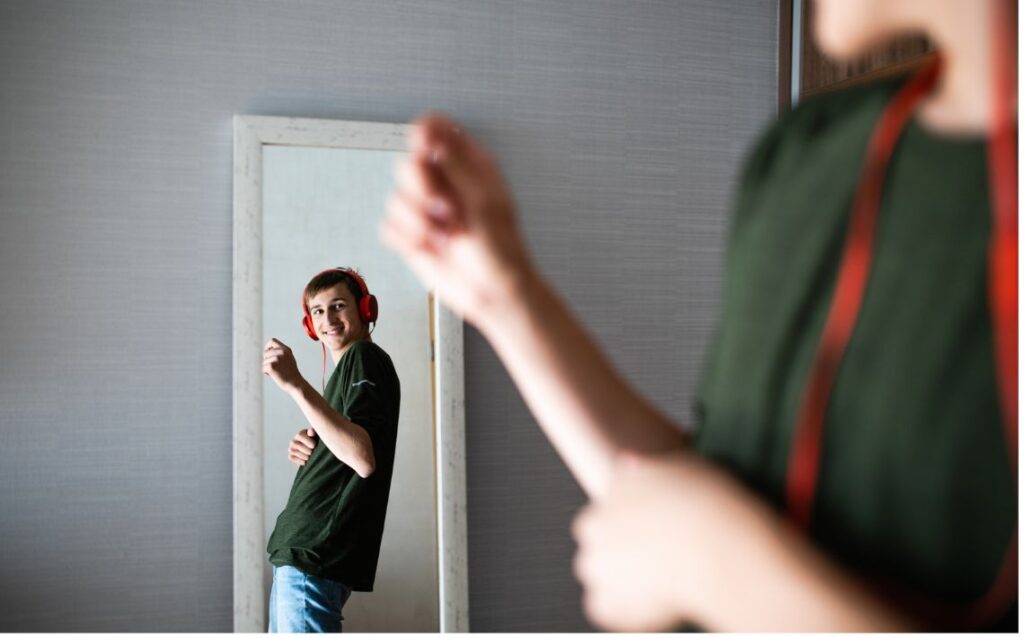
- Masking is when an autistic person hides or suppresses autistic traits to fit in with other people or situations.
- Many autistic people mask to avoid judgement, bullying, exclusion or negative reactions from others.
- Masking can take a lot of energy and may leave a person feeling tired, stressed or overwhelmed.
- People who mask may appear to be coping well, even when they need support.
- Long-term masking can affect mental health and can lead to anxiety, low mood, burnout, meltdowns or shutdowns.Some autistic people do not realise they are masking because they have done it for many years.
- Unmasking means feeling able to be more natural and express autistic traits in ways that feel right and safe.
- Unmasking can improve wellbeing, but it may take time and may not feel safe in every situation.
- Family, friends, schools and workplaces can help by accepting autistic differences and creating supportive environments.
- Autistic people are more likely to thrive when they feel safe, understood and able to be themselves.