


The National Autistic Society suggest that bereavement may affect an autistic person in the following ways: –
- A change in behaviour such as being angry and restless.
- Meltdown/shutdowns
- Changes in sleep pattern
- Changes in diet
- Needing to rely on help from others, or losing skills previously acquired
- Low self esteem
- Not feeling grief or sadness
- A delay in feeling grief and sadness compared to other people
- A feeling of excitement
Social and communication challenges for autistic people can often make it harder to understand, process, and settle back into an everyday routine without the person they care about. Also, because it is not always easy for autistic people to make and keep close relationships – it can be extra difficult to lose them too.
Change for autistic individuals may require additional support or time when adapting to a change due to a death. For instance, extra time and support might be needed to adjust to different daily routines.
Identifying emotions can be difficult for many autistic people. Their feelings and behaviours may be different from those experienced by others. Autistic people may require support to understand and interpret the emotions of others as well as their own. It can often take them time to work out how they are feeling.
Support is often required as death can cause feelings and emotions which may be unfamiliar to the autistic individual and make it difficult to emotionally regulate.
What can you do to help yourself after a bereavement?
- Look after yourself the best way you can
- Spend time alone if this helps you
- Be aware of your own sensory needs and try to avoid your triggers
- Invest in your hobbies or interests or find new ones
- Get involved with helping others and find something useful to do in preparation for a wake or funeral
- Be realistic about your own grieving symptoms. Recognise and accept that you might not feel like everyone else
- If you’re not sure how other people are feeling you may find it helpful to ask them to tell you. Do not be afraid to share how you feel and ask for help if you need to
- If you are planning to go to a funeral ceremony or wake you might find it useful to visit beforehand or look at pictures of the types of places. It might feel easier to cope with if you know what to expect
- Anniversaries, birthdays, and special occasions of someone special can also trigger similar emotions so you may need to take extra care of yourself around these times
An autistic person may benefit from particular support if they have lost a person they care about to suicide. This resource shares information and advice on how to support an autistic / neurodivergent person who is bereaved by suicide:
Key Points
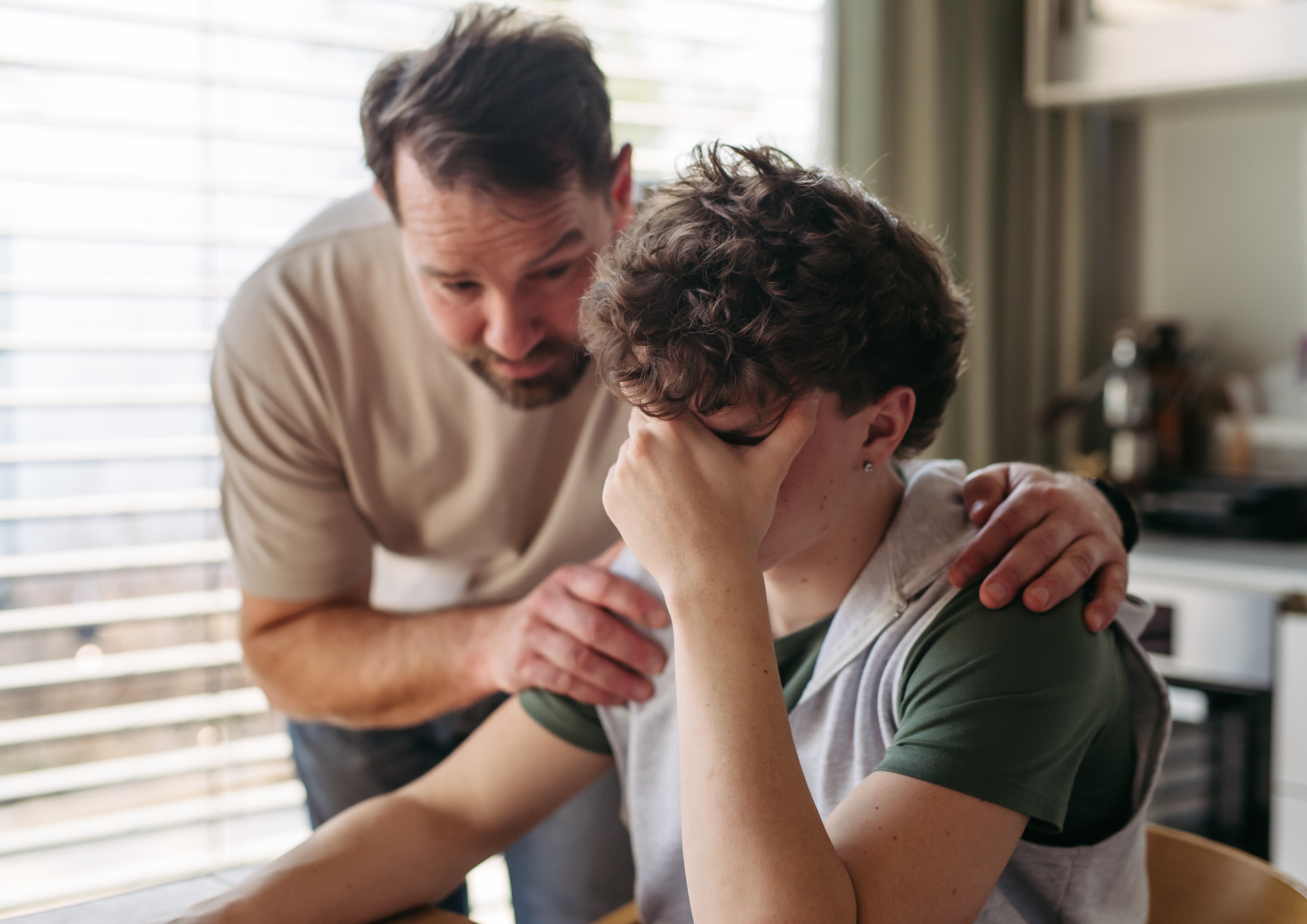
- Autistic people may experience grief differently
- Bereavement can be especially challenging due to differences in communication, understanding and coping with change
- Self care and tailored support are important following a bereavement